

Choosing a UK Peptide Research Supplier
Researchers sourcing peptide materials in the UK may encounter a wide range of suppliers, product formats, analytical documentation, and fulfilment options.
Selecting a supplier should involve more than comparing price or delivery speed.
Researchers may wish to consider factors such as:
- Batch traceability
- Analytical documentation
- Product identification
- Storage information
- Supplier transparency
- Research-only product presentation
- Appropriate customer support
This guide outlines some of the factors researchers may consider when evaluating a supplier of laboratory peptide materials.
What Should Researchers Look for in a Peptide Supplier?
Different suppliers may provide different levels of analytical documentation, traceability, and product information.
Researchers should evaluate the actual documentation associated with the material being considered rather than relying solely on general marketing claims.
Analytical Documentation
Useful documentation may include:
- Batch or lot identification
- Certificates of Analysis
- HPLC analytical information
- Testing dates
- Molecular information
- Identity testing where performed
- Additional analytical results where applicable
Different analytical methods provide different information.
For example, HPLC may provide information relating to analytical purity, while additional techniques may be used where molecular identity needs to be assessed.
Batch Traceability
Clear batch identification helps researchers connect a research material with its supporting documentation.
Relevant records may include:
- Product name
- Batch number
- Certificate of Analysis
- Testing date
- Storage information
- Relevant laboratory documentation
This can support reproducibility and accurate experimental record keeping.
Product Information
Research materials should be presented with clear information relevant to laboratory use.
This may include:
- Compound name
- Molecular information
- Scientific identifiers
- Batch information
- Storage considerations
- Analytical documentation
- Research-use designation
Researchers should confirm that the material is appropriate for their particular laboratory work.
Research-Only Product Presentation
Researchers may wish to exercise caution where products are marketed using:
- Human-use claims
- Therapeutic promises
- Medical claims
- Dosage instructions
- Administration guidance
- Cosmetic claims
- Performance claims
Research materials should be presented consistently with their intended laboratory purpose.
Storage and Fulfilment
Storage and shipping requirements can differ between compounds.
Relevant considerations may include:
- Temperature sensitivity
- Light exposure
- Moisture
- Container integrity
- Packaging
- Transit duration
- Product-specific stability information
Researchers should assess whether the supplier’s handling procedures are appropriate to the particular material.
UK-Based and International Suppliers
Researchers may source laboratory materials through several types of suppliers.
These can include:
- Specialist research-material suppliers
- General laboratory and chemical distributors
- Institutional or academic suppliers
- International suppliers
Each route may have different advantages and limitations.
A supplier’s location or business type alone does not establish the quality of its products.
Researchers should assess individual materials according to their documentation and experimental requirements.
Evaluating International Suppliers
International sourcing may involve additional practical considerations, such as:
- Longer transit times
- Customs processes
- Different documentation formats
- International return procedures
- Different fulfilment arrangements
These factors do not necessarily indicate lower quality but may be relevant when planning laboratory procurement.
Warning Signs Researchers May Wish to Consider
Potential concerns may include:
- Missing batch-specific documentation
- Unsupported purity claims
- No clear link between a product and its analytical report
- Unsubstantiated identity claims
- Human-use or therapeutic marketing
- Vague product descriptions
- Poor transparency regarding testing
- Inconsistent supplier information
Supplier statements should be compared with the actual documentation available for the relevant product and batch.
Price and Research Material Quality
Price alone should not be treated as proof of quality.
The cost of a research material may be influenced by factors including:
- Synthesis
- Analytical testing
- Documentation
- Packaging
- Storage
- Fulfilment
- Compound complexity
- Order quantity
Both unusually high and unusually low prices should be evaluated alongside the actual material documentation.
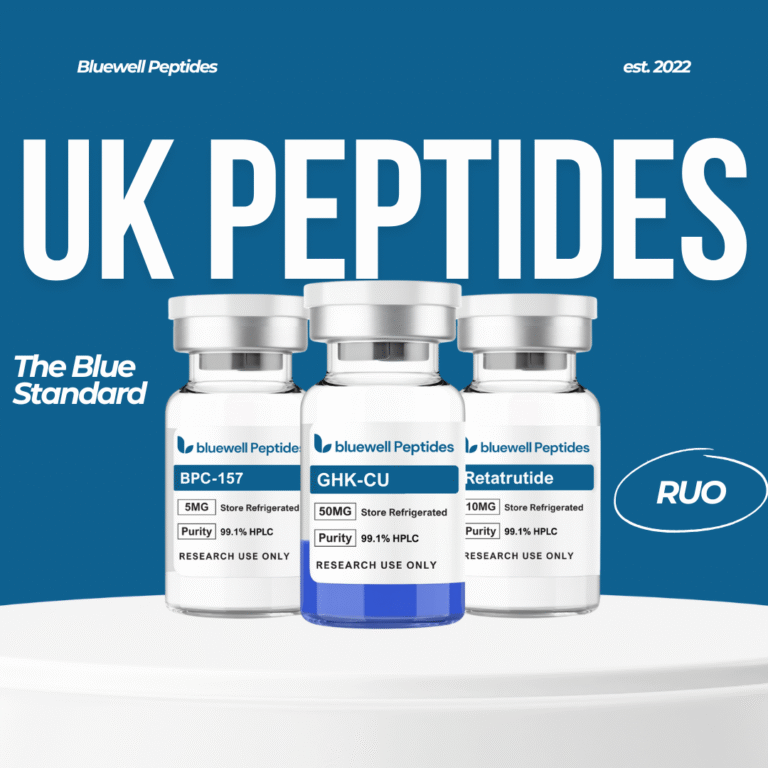
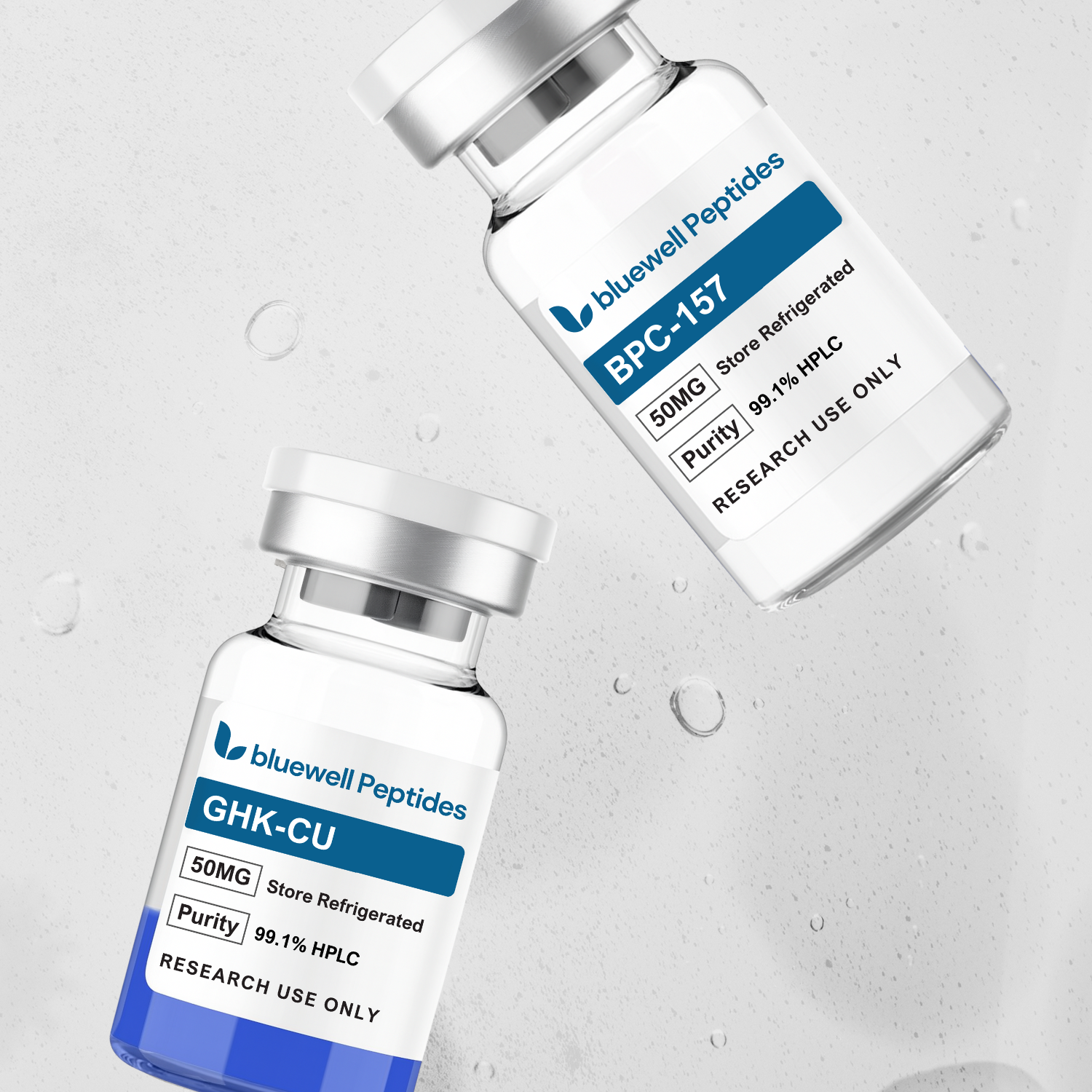
Bluewell Peptides Research Supply
Bluewell Peptides supplies laboratory research materials with an emphasis on:
- Batch traceability
- Analytical documentation where applicable
- Certificates of Analysis
- Clear product identification
- Research-focused product information
- UK-based fulfilment
- Customer support for legitimate research enquiries
Researchers should review the documentation associated with the individual product and batch being incorporated into laboratory work.
Bluewell Analytical Documentation
Where applicable, Bluewell Peptides provides batch documentation that may include:
- Batch identification
- Certificate of Analysis
- HPLC analytical information
- Testing date
- Additional analytical information where performed
Researchers should interpret analytical reports according to the methodology stated on the relevant document.
Bluewell Customer Support
Bluewell Peptides can assist with matters such as:
- Product identification
- Batch information
- Certificates of Analysis
- Analytical documentation
- Order enquiries
- Delivery information
- General storage documentation
Bluewell Peptides does not provide:
- Human or veterinary dosing guidance
- Administration instructions
- Medical advice
- Therapeutic recommendations
- Personal-use protocols
- Human-use preparation instructions
Delivery and Dispatch
Bluewell Peptides dispatches research materials from within the UK.
Available delivery services and dispatch times may vary according to order timing, stock availability, destination, courier service, and other operational factors.
Researchers should refer to the current delivery information shown at the time of ordering rather than relying on historic delivery statements.
A Practical Research Supplier Checklist
Before selecting a research-material supplier, researchers may wish to ask:
- Is batch-specific documentation available?
- Does the analytical report correspond to the material being supplied?
- Is the testing methodology clearly stated?
- Is identity testing provided where claimed?
- Is the product clearly identified?
- Are storage considerations explained?
- Is the product consistently presented for research use?
- Are supplier claims supported by documentation?
- Is appropriate research-focused customer support available?
Final Considerations
Choosing a research-material supplier should be based on documentation, traceability, analytical transparency, and suitability for the intended laboratory work.
Researchers should avoid relying solely on marketing language, purity percentages, supplier location, or delivery speed.
The most useful information is the documentation associated with the actual material and batch being incorporated into the experiment.
Explore the Bluewell Peptides research catalogue for available laboratory research materials and associated product information.
Research-Use Notice
All materials supplied by Bluewell Peptides are intended strictly for research and laboratory use only.
They are not supplied for human or veterinary use, medical treatment, diagnosis, therapeutic application, or personal administration.
For Research Use Only. Not for Human or Veterinary Use.