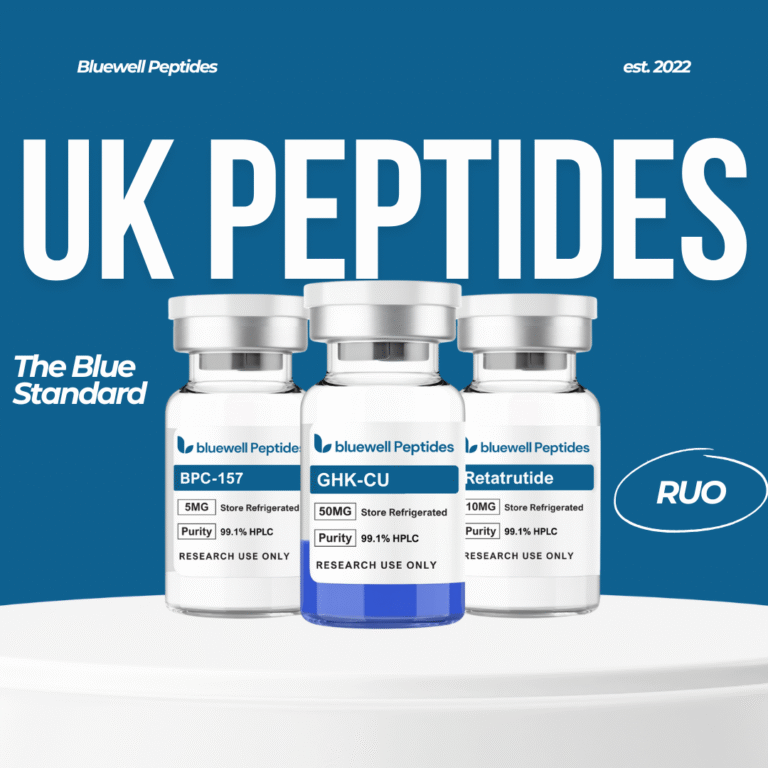


The UK research-peptide sector includes a growing number of suppliers offering materials for laboratory and scientific investigation.
For researchers, the important question is not simply which supplier has the largest catalogue. Factors such as analytical documentation, batch traceability, product information, storage procedures, and reliable fulfilment can all contribute to responsible research procurement.
This guide outlines some of the key considerations when evaluating a UK supplier of laboratory research peptides.
Bluewell Peptides supplies research materials with an emphasis on documentation, analytical transparency, and batch traceability.
Why Supplier Selection Matters
Research materials can vary in documentation, analytical verification, storage processes, and traceability.
When sourcing materials for laboratory work, researchers may wish to consider whether a supplier provides:
- Batch identification
- Relevant analytical documentation
- Certificates of Analysis
- Clear product information
- Appropriate storage information
- Reliable fulfilment
- Research-focused customer support
Clear documentation can help laboratories maintain accurate records and evaluate the materials incorporated into experimental work.
Certificates of Analysis and Analytical Documentation
Certificates of Analysis can provide useful batch-specific information relating to analytical testing.
Depending on the laboratory and analytical methods used, documentation may include information such as:
- HPLC purity analysis
- Batch identification
- Testing dates
- Molecular identity testing where performed
- Relevant analytical methodology
Available documentation can be reviewed through the Bluewell Peptides COA Library.
Researchers should review the complete analytical report associated with the relevant batch rather than relying solely on headline purity claims.
Product Transparency
Clear product information is useful when evaluating materials for laboratory research.
Relevant information may include:
- Compound name
- Batch number
- Molecular formula
- Molecular weight
- Scientific identifiers
- Analytical documentation
- Storage information
- Research-use status
Researchers should ensure that materials are appropriate for their intended legitimate laboratory work.
Batch Traceability
Batch traceability allows researchers to connect an individual research material with its associated analytical documentation.
Useful traceability information can include:
- Batch identifier
- Product documentation
- Certificate of Analysis
- Analytical results
- Testing date
- Storage records
This can support reproducibility and clearer laboratory record keeping.
UK Fulfilment and Delivery
Reliable fulfilment can be an important consideration when obtaining laboratory materials.
Bluewell Peptides dispatches research products from within the UK and provides delivery options for eligible orders.
Current delivery options and dispatch information should always be checked at the time of ordering.
Research-Focused Customer Support
Research-material customer support should focus on matters such as:
- Product identification
- Batch information
- Certificates of Analysis
- Order and delivery enquiries
- Product documentation
- General laboratory storage information
Bluewell Peptides does not provide human or veterinary dosing guidance, administration instructions, medical advice, or therapeutic recommendations.
What Researchers Should Be Cautious About
When evaluating a research-material supplier, researchers may wish to be cautious where there is:
- Little or no batch documentation
- No clear analytical information
- Vague product identification
- Unsubstantiated scientific claims
- Claims of guaranteed experimental outcomes
- Human-use, dosing, or administration claims
- Poor traceability between products and analytical reports
- Unclear research-use positioning
Supplier claims should be assessed against the actual documentation available for the relevant product and batch.
Evaluating Analytical Claims
A headline purity percentage should not be the only factor used when assessing a research material.
Researchers should also consider:
- The testing laboratory
- Analytical method
- Testing date
- Batch correspondence
- Identity testing where applicable
- The complete analytical report
HPLC can provide valuable information about analytical purity, but different analytical methods provide different types of information.
Evaluating UK Research Suppliers
Researchers comparing UK suppliers may wish to consider:
- Quality of batch documentation
- Analytical transparency
- Batch traceability
- Clear research-only product positioning
- Appropriate storage procedures
- Consistent fulfilment
- Responsive research-focused support
No single factor should be treated as a substitute for reviewing the documentation associated with the specific research material.
Bluewell Peptides Research Supply
At Bluewell Peptides, our research-supply model focuses on:
- Batch traceability
- Analytical documentation where applicable
- Certificates of Analysis
- Clear product identification
- UK-based fulfilment
- Research-focused customer support
- Ongoing quality-control processes
Researchers should review the documentation associated with each individual product and batch before incorporating materials into laboratory work.
Responsible Research Procurement
Responsible procurement means selecting materials appropriate for legitimate scientific and laboratory activity.
Researchers should consider:
- Analytical documentation
- Material identity
- Batch traceability
- Storage requirements
- Supplier transparency
- Institutional procedures
- Applicable regulatory requirements
Bluewell Peptides supplies products strictly as laboratory research materials.
Final Thoughts
When selecting a UK research-peptide supplier, researchers should prioritise documentation, traceability, analytical information, and transparent research-only product presentation.
The quality of supporting records is just as important as the product name or headline purity figure.
Visit Bluewell Peptides to explore available laboratory research materials and associated analytical documentation.
For Research Use Only. Not for Human or Veterinary Use.